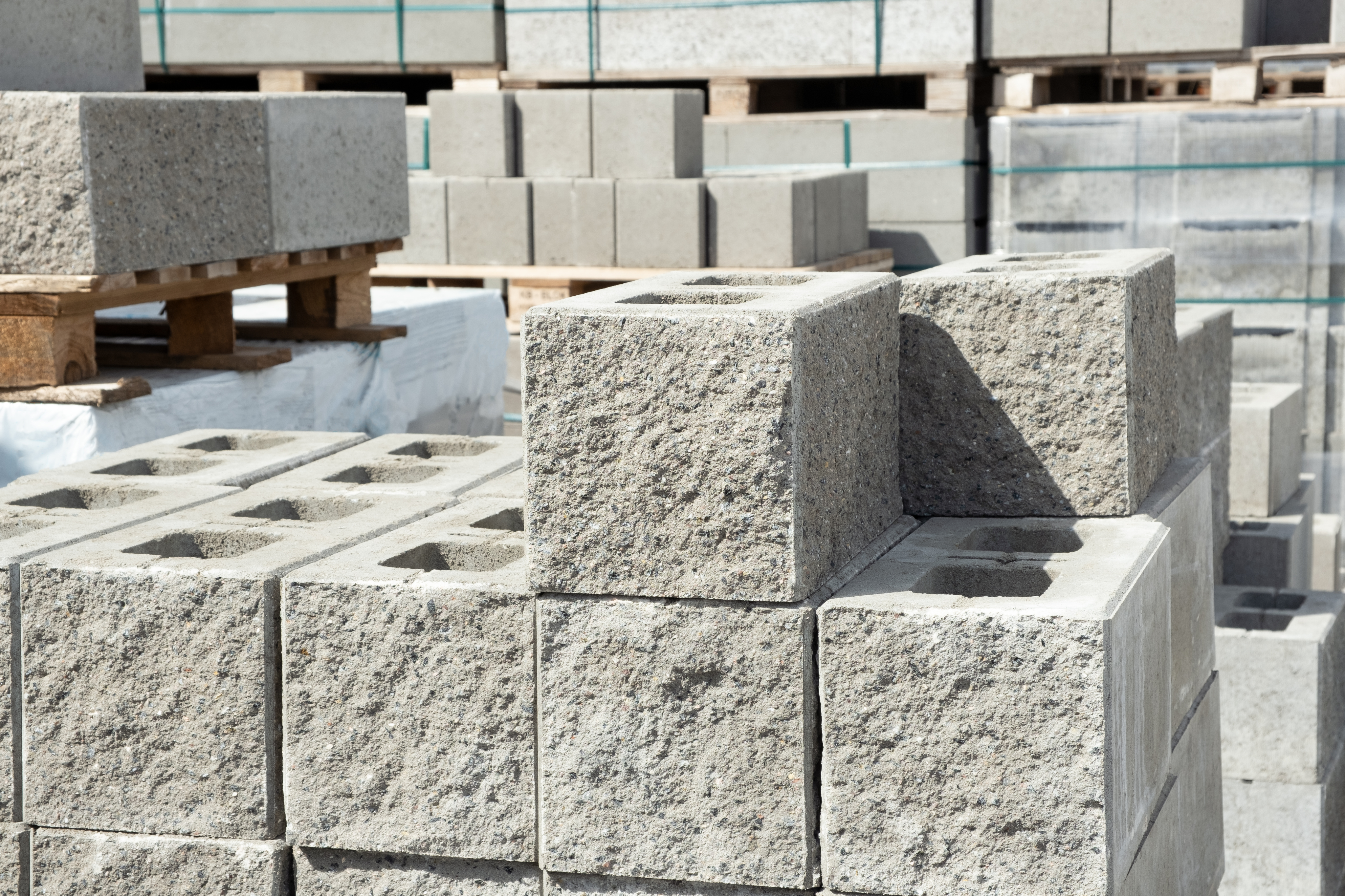
The Project
From industrial by-product to low-carbon innovation. Unlocking the potential of Electric Arc Furnace slags to create the next generation of sustainable cement.
About
The ECO-SLAG-CEM project aims to unlock the untapped potential of Electric Arc Furnace (EAF) slag - a by-product of steel production that is often discarded - by transforming it into high-performance, low-carbon cement. With the cement and steel sectors together responsible for around 14% of global CO₂ emissions, the project targets significant emission reductions by enhancing the reactivity of EAF slag through high-temperature treatments and bio-based activation systems.
As the steel sector partially transitions from traditional blast furnaces to EAF technology to reduce its own carbon footprint, the nature of slag produced will change.
This project will play a crucial role in ensuring that this new generation of slag can be effectively valorised as a supplementary cementitious material (SCM). The goal is to optimise EAF slag so that it performs effectively in cement production, without compromising the durability or environmental integrity of the final material.
The project will run for four years and will involve extensive testing and validation, including pilot-scale activities in Paris with ArcelorMittal. Its outcomes will contribute significantly to a more circular, low-carbon cement industry in line with the Horizon Europe Pathfinder Challenge: “Towards Cement and Concrete as a Carbon Sink.”
From industrial by-product to low-carbon cement solution

Funding
The ECO-SLAG-CEM project has received €4 million in funding from the European Innovation Council (EIC) under the EIC Pathfinder Challenges 2024. As one of only 31 selected proposals from a total of 401 submissions, the award reflects the project’s strong scientific merit and its alignment with the Pathfinder Challenge “Towards Cement and Concrete as a Carbon Sink.” This support is provided through Horizon Europe, the European Union’s key programme for research and innovation, which aims to address climate change, advance progress towards the UN Sustainable Development Goals, and strengthen the EU’s industrial competitiveness.
The funding enables a four-year programme of early-stage research and proof-of-concept development focused on enhancing the reactivity and environmental compatibility of Electric Arc Furnace (EAF) slag for low-carbon cement applications. The project benefits from a multidisciplinary consortium that brings together scientific excellence and industrial expertise. The grant supports the development of breakthrough technologies that contribute to the decarbonisation of the cement and steel sectors and the wider transition to a more sustainable, circular European economy.

The Goal
The project aims to develop durable, high-performance, low-carbon binders by enhancing the reactivity and environmental compatibility of Electric Arc Furnace slag, supporting the decarbonisation of the cement industry as the steel sector partially transitions to EAF technology.
The Technology
Using high-temperature treatments and tailor-made bio-based activation systems, including bio-based chelating agents, the project increases the intrinsic reactivity of EAF slag to create a viable alternative to declining supplies of granulated blast furnace slag.
The Benefit
The resulting low-carbon binders reduce industrial by-products, support a circular economy, and strengthen the sustainability and competitiveness of Europe’s cement and steel industries while contributing to significant CO₂ reduction across both sectors.
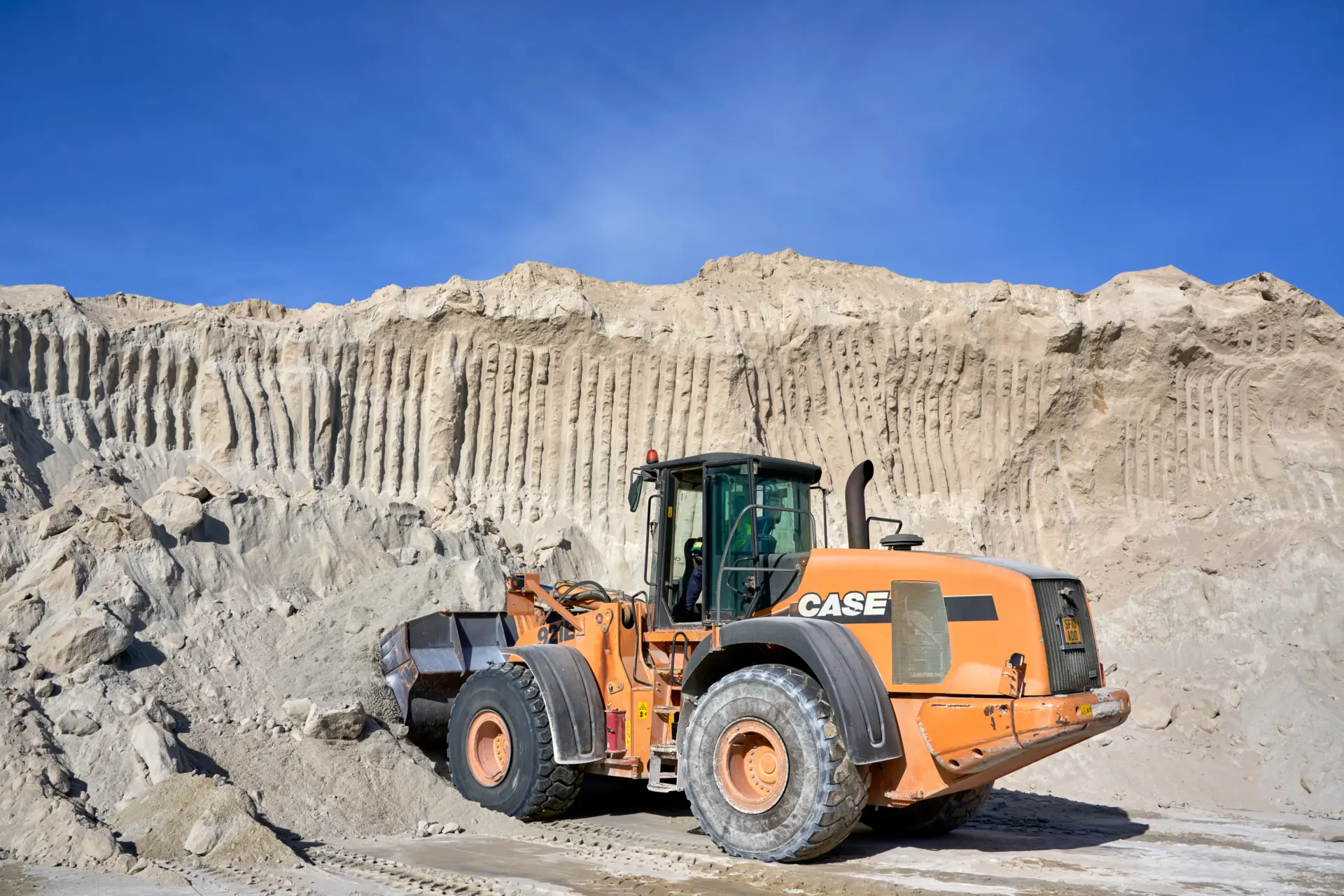
Advancing low-carbon cement
Transforming industrial by-products into high-performance cement solutions. By enhancing the reactivity of Electric Arc Furnace slags, ECO-SLAG-CEM is helping drive a more sustainable future for the cement and steel industries.
Objectives & Impact
The ECO-SLAG-CEM project seeks to develop high-performance, low-carbon cements by transforming Electric Arc Furnace (EAF) slag into a viable supplementary cementitious material. Its core objective is to enhance the intrinsic reactivity of EAF slag through high-temperature treatments and bio-based activation systems. This will enable the creation of durable, low-carbon binders that can replace the declining availability of traditional granulated blast furnace slag.
By targeting the significant CO₂ emissions of the cement and steel sectors - which together account for around 14% of global CO₂ emissions - the project aims to support major decarbonisation goals. It also focuses on ensuring the environmental safety, durability, and compliance of treated slags, including the management of iron and heavy metals.
The impact extends beyond emissions reduction. ECO-SLAG-CEM advances a circular economy, reduces industrial by-products, and increases the sustainability and competitiveness of Europe’s cement and steel industries. By valorising EAF slag at a time when steelmaking is partially shifting towards EAF technology, the project helps future-proof the sector and creates new opportunities for innovation and economic value.
14%
of global CO₂ emissions come from the cement and steel industries combined.

The Project
From industrial by-product to low-carbon innovation. Unlocking the potential of Electric Arc Furnace slags to create the next generation of sustainable cement.
About
The ECO-SLAG-CEM project aims to unlock the untapped potential of Electric Arc Furnace (EAF) slag - a by-product of steel production that is often discarded - by transforming it into high-performance, low-carbon cement. With the cement and steel sectors together responsible for around 14% of global CO₂ emissions, the project targets significant emission reductions by enhancing the reactivity of EAF slag through high-temperature treatments and bio-based activation systems.
As the steel sector partially transitions from traditional blast furnaces to EAF technology to reduce its own carbon footprint, the nature of slag produced will change.
This project will play a crucial role in ensuring that this new generation of slag can be effectively valorised as a supplementary cementitious material (SCM). The goal is to optimise EAF slag so that it performs effectively in cement production, without compromising the durability or environmental integrity of the final material.
The project will run for four years and will involve extensive testing and validation, including pilot-scale activities in Paris with ArcelorMittal. Its outcomes will contribute significantly to a more circular, low-carbon cement industry in line with the Horizon Europe Pathfinder Challenge: “Towards Cement and Concrete as a Carbon Sink.”
From industrial by-product to low-carbon cement solution

Funding
The ECO-SLAG-CEM project has received €4 million in funding from the European Innovation Council (EIC) under the EIC Pathfinder Challenges 2024. As one of only 31 selected proposals from a total of 401 submissions, the award reflects the project’s strong scientific merit and its alignment with the Pathfinder Challenge “Towards Cement and Concrete as a Carbon Sink.” This support is provided through Horizon Europe, the European Union’s key programme for research and innovation, which aims to address climate change, advance progress towards the UN Sustainable Development Goals, and strengthen the EU’s industrial competitiveness.
The funding enables a four-year programme of early-stage research and proof-of-concept development focused on enhancing the reactivity and environmental compatibility of Electric Arc Furnace (EAF) slag for low-carbon cement applications. The project benefits from a multidisciplinary consortium that brings together scientific excellence and industrial expertise. The grant supports the development of breakthrough technologies that contribute to the decarbonisation of the cement and steel sectors and the wider transition to a more sustainable, circular European economy.

The Goal
The project aims to develop durable, high-performance, low-carbon binders by enhancing the reactivity and environmental compatibility of Electric Arc Furnace slag, supporting the decarbonisation of the cement industry as the steel sector partially transitions to EAF technology.
The Technology
Using high-temperature treatments and tailor-made bio-based activation systems, including bio-based chelating agents, the project increases the intrinsic reactivity of EAF slag to create a viable alternative to declining supplies of granulated blast furnace slag.
The Benefit
The resulting low-carbon binders reduce industrial by-products, support a circular economy, and strengthen the sustainability and competitiveness of Europe’s cement and steel industries while contributing to significant CO₂ reduction across both sectors.
Advancing low-carbon cement
Transforming industrial by-products into high-performance cement solutions. By enhancing the reactivity of Electric Arc Furnace slags, ECO-SLAG-CEM is helping drive a more sustainable future for the cement and steel industries.
Objectives & Impact
The ECO-SLAG-CEM project seeks to develop high-performance, low-carbon cements by transforming Electric Arc Furnace (EAF) slag into a viable supplementary cementitious material. Its core objective is to enhance the intrinsic reactivity of EAF slag through high-temperature treatments and bio-based activation systems. This will enable the creation of durable, low-carbon binders that can replace the declining availability of traditional granulated blast furnace slag.
By targeting the significant CO₂ emissions of the cement and steel sectors - which together account for around 14% of global CO₂ emissions - the project aims to support major decarbonisation goals. It also focuses on ensuring the environmental safety, durability, and compliance of treated slags, including the management of iron and heavy metals.
The impact extends beyond emissions reduction. ECO-SLAG-CEM advances a circular economy, reduces industrial by-products, and increases the sustainability and competitiveness of Europe’s cement and steel industries. By valorising EAF slag at a time when steelmaking is partially shifting towards EAF technology, the project helps future-proof the sector and creates new opportunities for innovation and economic value.
14%
of global CO₂ emissions come from the cement and steel industries combined.

Innovation
Unlocking the potential of EAF slag
We enhance the intrinsic reactivity of Electric Arc Furnace slag using high-temperature treatments and bio-based activation systems — turning an underused by-product into a viable cementitious material.
The Project
From industrial by-product to low-carbon innovation. Unlocking the potential of Electric Arc Furnace slags to create the next generation of sustainable cement.
About
The ECO-SLAG-CEM project aims to unlock the untapped potential of Electric Arc Furnace (EAF) slag - a by-product of steel production that is often discarded - by transforming it into high-performance, low-carbon cement. With the cement and steel sectors together responsible for around 14% of global CO₂ emissions, the project targets significant emission reductions by enhancing the reactivity of EAF slag through high-temperature treatments and bio-based activation systems.
As the steel sector partially transitions from traditional blast furnaces to EAF technology to reduce its own carbon footprint, the nature of slag produced will change.
This project will play a crucial role in ensuring that this new generation of slag can be effectively valorised as a supplementary cementitious material (SCM). The goal is to optimise EAF slag so that it performs effectively in cement production, without compromising the durability or environmental integrity of the final material.
The project will run for four years and will involve extensive testing and validation, including pilot-scale activities in Paris with ArcelorMittal. Its outcomes will contribute significantly to a more circular, low-carbon cement industry in line with the Horizon Europe Pathfinder Challenge: “Towards Cement and Concrete as a Carbon Sink.”
From industrial by-product tolow-carbon cement solution


Funding
The ECO-SLAG-CEM project has received €4 million in funding from the European Innovation Council (EIC) under the EIC Pathfinder Challenges 2024. As one of only 31 selected proposals from a total of 401 submissions, the award reflects the project’s strong scientific merit and its alignment with the Pathfinder Challenge “Towards Cement and Concrete as a Carbon Sink.” This support is provided through Horizon Europe, the European Union’s key programme for research and innovation, which aims to address climate change, advance progress towards the UN Sustainable Development Goals, and strengthen the EU’s industrial competitiveness.
The funding enables a four-year programme of early-stage research and proof-of-concept development focused on enhancing the reactivity and environmental compatibility of Electric Arc Furnace (EAF) slag for low-carbon cement applications. The project benefits from a multidisciplinary consortium that brings together scientific excellence and industrial expertise. The grant supports the development of breakthrough technologies that contribute to the decarbonisation of the cement and steel sectors and the wider transition to a more sustainable, circular European economy.

The Goal
The project aims to develop durable, high-performance, low-carbon binders by enhancing the reactivity and environmental compatibility of Electric Arc Furnace slag, supporting the decarbonisation of the cement industry as the steel sector partially transitions to EAF technology.
The Technology
Using high-temperature treatments and tailor-made bio-based activation systems, including bio-based chelating agents, the project increases the intrinsic reactivity of EAF slag to create a viable alternative to declining supplies of granulated blast furnace slag.
The Benefit
The resulting low-carbon binders reduce industrial by-products, support a circular economy, and strengthen the sustainability and competitiveness of Europe’s cement and steel industries while contributing to significant CO₂ reduction across both sectors.
Advancing low-carbon cement
Transforming industrial by-products into high-performance cement solutions. By enhancing the reactivity of Electric Arc Furnace slags, ECO-SLAG-CEM is helping drive a more sustainable future for the cement and steel industries.
Objectives & Impact
The ECO-SLAG-CEM project seeks to develop high-performance, low-carbon cements by transforming Electric Arc Furnace (EAF) slag into a viable supplementary cementitious material. Its core objective is to enhance the intrinsic reactivity of EAF slag through high-temperature treatments and bio-based activation systems. This will enable the creation of durable, low-carbon binders that can replace the declining availability of traditional granulated blast furnace slag.
By targeting the significant CO₂ emissions of the cement and steel sectors - which together account for around 14% of global CO₂ emissions - the project aims to support major decarbonisation goals. It also focuses on ensuring the environmental safety, durability, and compliance of treated slags, including the management of iron and heavy metals.
The impact extends beyond emissions reduction. ECO-SLAG-CEM advances a circular economy, reduces industrial by-products, and increases the sustainability and competitiveness of Europe’s cement and steel industries. By valorising EAF slag at a time when steelmaking is partially shifting towards EAF technology, the project helps future-proof the sector and creates new opportunities for innovation and economic value.
14%
of global CO₂ emissionscome from the cement and steel industries combined.

Innovation
Unlocking the potential of EAF slag
We enhance the intrinsic reactivity of Electric Arc Furnace slag using high-temperature treatments and bio-based activation systems — turning an underused by-product into a viable cementitious material.