The Innovation
A dual approach combining high-temperature treatments and bio-based activation systems to increase the intrinsic reactivity of Electric Arc Furnace slags.
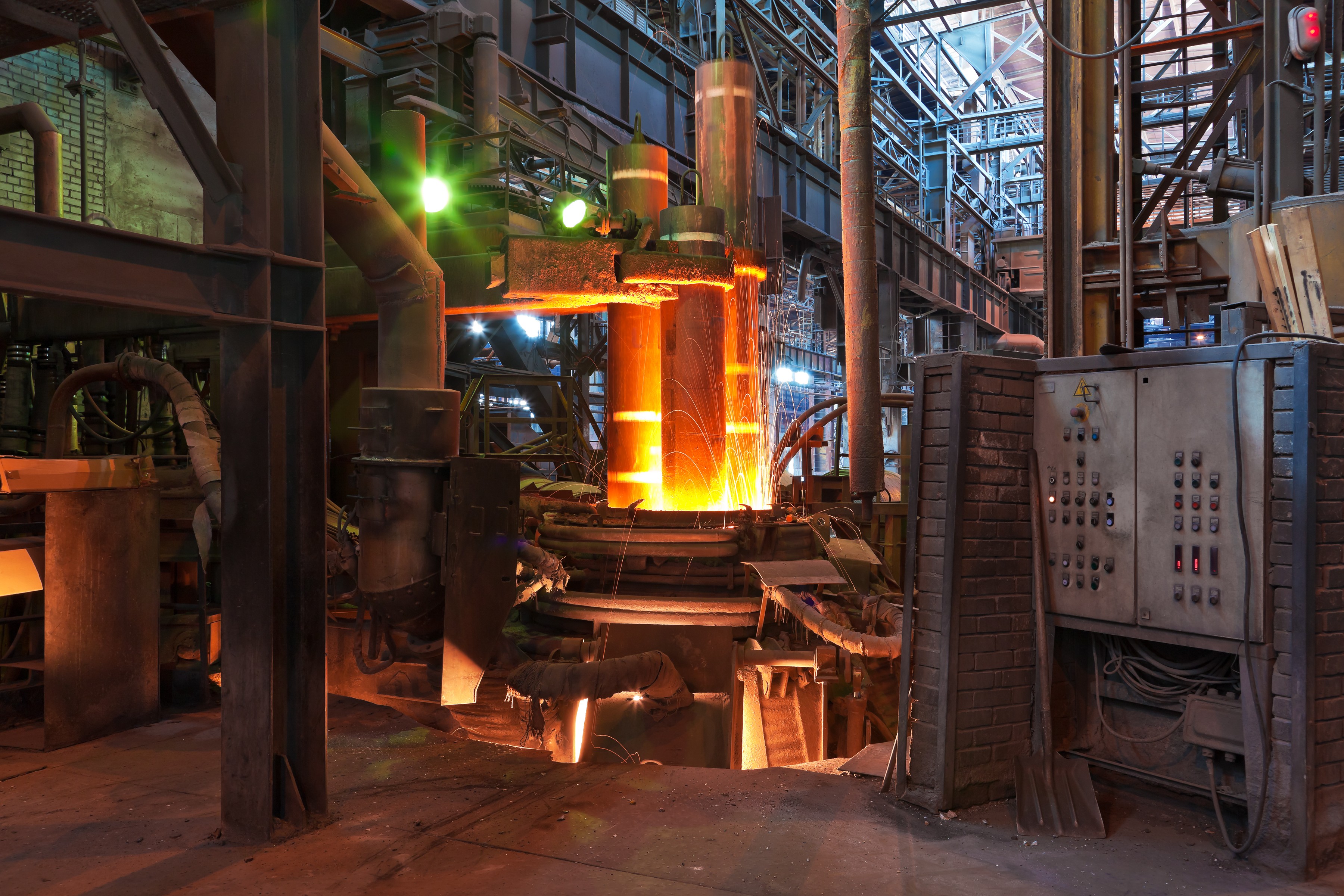
ECO-SLAG-CEM aims to develop high-performance, low-carbon cements by enhancing the reactivity of Electric Arc Furnace (EAF) slag through high-temperature treatments and bio-based activation systems. This two-fold approach uses high-temperature treatments to increase intrinsic reactivity and bio-based chelatants to pre-treat slags and accelerate hydration, helping replace declining supplies of traditional granulated blast furnace slag.
A further focus is the presence and mobility of Fe and heavy metals to ensure durability and compliance with environmental standards. By valorising EAF slag and ensuring environmental safety, the project supports a circular economy, reduces by-products, and strengthens the sustainability and competitiveness of Europe’s cement and steel industries.
Turning steel industry by-products into a high-performance, low-carbon cement solution

Why the project matters
The project addresses the significant CO₂ emissions produced by the cement and steel sectors, which together account for around 14% of global emissions, by transforming an underused industrial by-product into a valuable low-carbon material.
EMISSIONS IMPACT
How it reduces CO₂
By enhancing the reactivity of Electric Arc Furnace slag and enabling it to replace declining supplies of granulated blast furnace slag, the project supports the creation of low-carbon binders that reduce reliance on high-emission clinker.
INDUSTRY IMPACT
Potential impact on industry
The project strengthens the sustainability and competitiveness of Europe’s cement and steel industries, providing a scalable solution for the new generation of slag created as steel production partially shifts towards Electric Arc Furnace technology.
MATERIAL INNOVATION
Supplementary Cementitious Material Context
With traditional blast furnace slag becoming less available, the project aims to optimise EAF slag so it can serve as a high-performance supplementary cementitious material, supporting circularity, durability, and long-term decarbonisation of cement.
The Innovation
A dual approach combining high-temperature treatments and bio-based activation systems to increase the intrinsic reactivity of Electric Arc Furnace slags.
ECO-SLAG-CEM aims to develop high-performance, low-carbon cements by enhancing the reactivity of Electric Arc Furnace (EAF) slag through high-temperature treatments and bio-based activation systems. This two-fold approach uses high-temperature treatments to increase intrinsic reactivity and bio-based chelatants to pre-treat slags and accelerate hydration, helping replace declining supplies of traditional granulated blast furnace slag.
A further focus is the presence and mobility of Fe and heavy metals to ensure durability and compliance with environmental standards. By valorising EAF slag and ensuring environmental safety, the project supports a circular economy, reduces by-products, and strengthens the sustainability and competitiveness of Europe’s cement and steel industries.
Turning steel industry by-products into a high-performance, low-carbon cement solution
Why the project matters
The project addresses the significant CO₂ emissions produced by the cement and steel sectors, which together account for around 14% of global emissions, by transforming an underused industrial by-product into a valuable low-carbon material.
EMISSIONS IMPACT
How it reduces CO₂
By enhancing the reactivity of Electric Arc Furnace slag and enabling it to replace declining supplies of granulated blast furnace slag, the project supports the creation of low-carbon binders that reduce reliance on high-emission clinker.
INDUSTRY IMPACT
Potential impact on industry
The project strengthens the sustainability and competitiveness of Europe’s cement and steel industries, providing a scalable solution for the new generation of slag created as steel production partially shifts towards Electric Arc Furnace technology.
MATERIAL INNOVATION
Supplementary Cementitious Material Context
With traditional blast furnace slag becoming less available, the project aims to optimise EAF slag so it can serve as a high-performance supplementary cementitious material, supporting circularity, durability, and long-term decarbonisation of cement.
Innovation
Unlocking the potential of EAF slag
We enhance the intrinsic reactivity of Electric Arc Furnace slag using high-temperature treatments and bio-based activation systems — turning an underused by-product into a viable cementitious material.

The Innovation
A dual approach combining high-temperature treatments and bio-based activation systems to increase the intrinsic reactivity of Electric Arc Furnace slags.
ECO-SLAG-CEM aims to develop high-performance, low-carbon cements by enhancing the reactivity of Electric Arc Furnace (EAF) slag through high-temperature treatments and bio-based activation systems. This two-fold approach uses high-temperature treatments to increase intrinsic reactivity and bio-based chelatants to pre-treat slags and accelerate hydration, helping replace declining supplies of traditional granulated blast furnace slag.
A further focus is the presence and mobility of Fe and heavy metals to ensure durability and compliance with environmental standards. By valorising EAF slag and ensuring environmental safety, the project supports a circular economy, reduces by-products, and strengthens the sustainability and competitiveness of Europe’s cement and steel industries.
Turning steel industry by-products into a high-performance, low-carbon cement solution
Why the project matters
The project addresses the significant CO₂ emissions produced by the cement and steel sectors, which together account for around 14% of global emissions, by transforming an underused industrial by-product into a valuable low-carbon material.
EMISSIONS IMPACT
How it reduces CO₂
By enhancing the reactivity of Electric Arc Furnace slag and enabling it to replace declining supplies of granulated blast furnace slag, the project supports the creation of low-carbon binders that reduce reliance on high-emission clinker.
INDUSTRY IMPACT
Potential impact on industry
The project strengthens the sustainability and competitiveness of Europe’s cement and steel industries, providing a scalable solution for the new generation of slag created as steel production partially shifts towards Electric Arc Furnace technology.
MATERIAL INNOVATION
Supplementary Cementitious Material Context
With traditional blast furnace slag becoming less available, the project aims to optimise EAF slag so it can serve as a high-performance supplementary cementitious material, supporting circularity, durability, and long-term decarbonisation of cement.
